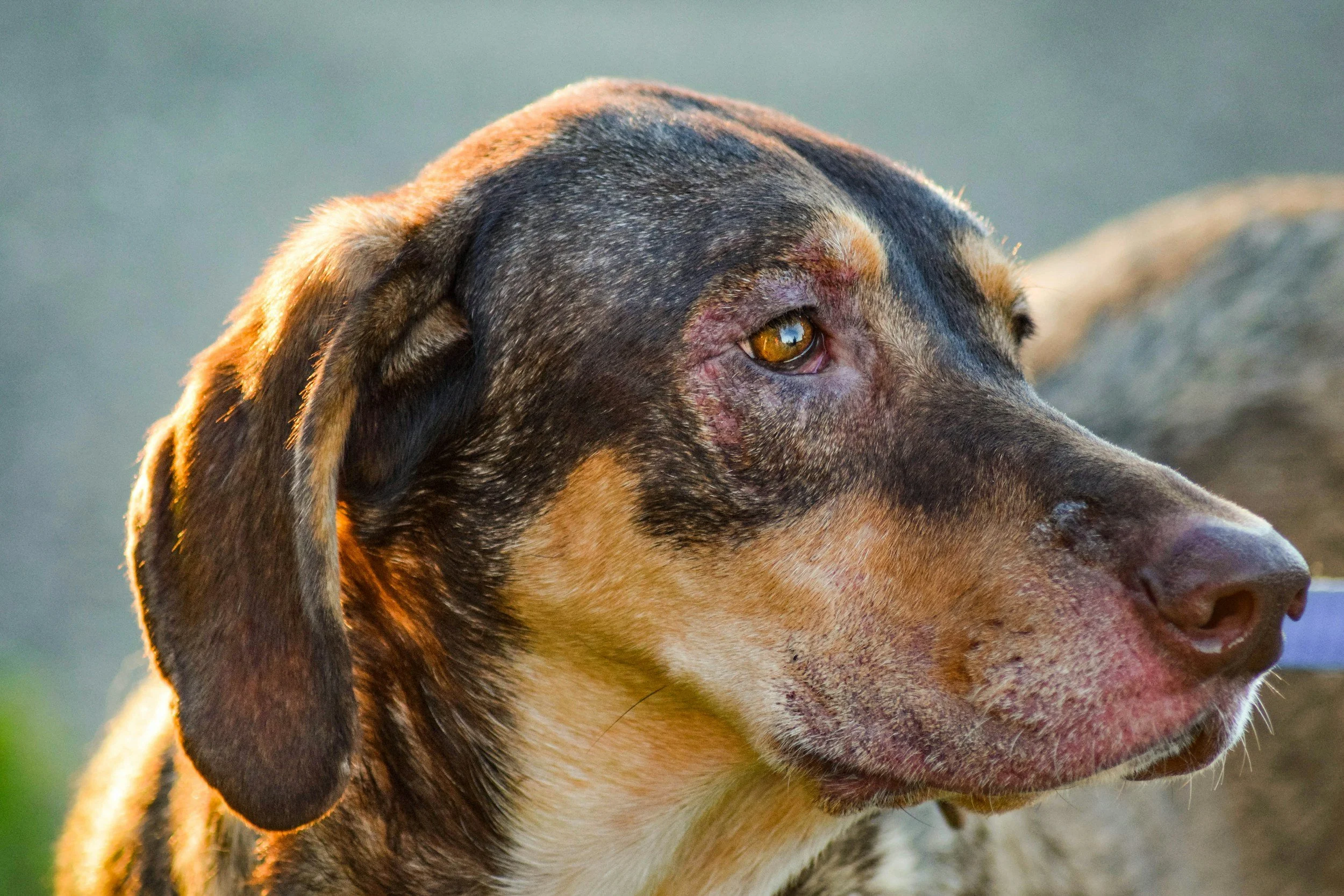
So Many Dogs Are Chronically Itchy
Chronic itching in dogs has become so common that many owners now view it as an unavoidable part of canine life.
Paw licking.
Recurring ear infections.
Red or irritated skin.
Chewing at the legs.
Hot spots
Yeast overgrowth.
Persistent scratching.
Veterinary dermatology has expanded significantly over the last decade as increasing numbers of dogs present with inflammatory skin conditions, environmental allergies, recurrent infections, and chronic irritation. Treatments ranging from medicated shampoos and elimination diets to allergy injections and immune-modulating medications have become increasingly routine within modern pet care.
At the same time, more dog owners are beginning to wonder why so many dogs appear chronically inflamed in the first place. Current discussions surrounding canine skin health increasingly point toward a combination of overlapping factors rather than a single isolated cause. Environmental allergens, genetics, microbiome disruption, dietary sensitivity, chronic stress, urban living conditions, and immune dysregulation are all receiving growing attention within veterinary and canine wellness conversations.
In other words, itching itself is often not the root problem. It is a symptom — an outward signal that the body may be responding to internal or environmental stressors. One area receiving increased interest is the relationship between inflammation and food processing.
Most commercial dry dog food is produced through extrusion, a manufacturing method involving high heat, pressure, dehydration, and mechanical processing designed to create shelf-stable products with long storage life. While these foods are formulated to meet nutritional standards, some researchers and canine nutrition advocates continue exploring how highly processed diets may influence inflammation, digestion, and microbiome diversity in certain dogs.
This conversation has become especially relevant as growing research surrounding the gut health continues to emerge.
The canine microbiome — the ecosystem of microorganisms living within the digestive tract — plays an important role in digestion, immune regulation, and inflammatory response. Increasing attention is being given to how disruptions within this internal environment may influence skin conditions, allergies, and immune sensitivity.
Many owners of chronically itchy dogs also report recurring digestive issues such as inconsistent stool quality, gas, yeast overgrowth, anal gland irritation, or food sensitivities. While these symptoms do not automatically share a single cause, growing discussions within veterinary medicine suggest the digestive system and skin health may be more interconnected than previously understood.
Environmental exposure is another important part of the conversation.
Modern urban dogs encounter conditions very different from those canine physiology originally evolved within. Air pollution, lawn chemicals, household cleaning products, synthetic fragrances, limited outdoor engagement, chronic indoor living, and reduced exposure to natural environmental variation may all contribute to inflammatory stress in sensitive animals. Behavioral stress may also play a role.
Increasing attention within canine behavioral science has focused on how chronic stress affects the nervous system, immune regulation, and repetitive behaviors such as excessive licking or chewing. Many dogs today experience constant stimulation while receiving relatively limited opportunities for species-appropriate outlets such as structured exercise, scent work, chewing, exploration, and decompression.
As a result, many owners are beginning to look at chronic itching less as an isolated skin problem and more as part of a larger conversation surrounding overall canine health.
Importantly, no single diet, supplement, or feeding philosophy serves as a universal solution for every dog. Canine dermatological conditions are complex and often multifactorial. However, growing awareness around ingredient quality, food processing, microbiome health, behavioral wellness, and environmental exposure has encouraged many owners to think more critically about what “normal” canine health should actually look like.
At Raw Dog K9, we like to believe that like with many humans, a lot of these health problems can be resolved with good diet.